
Mystery Detective Adventure 2
FIVE-BN GAMESAdventure
4.3147.00 Reviews
- Version
- 1.3.10035.256.2883
- Installs
- 100.00K
- Age Rating
- Teen
Screenshots

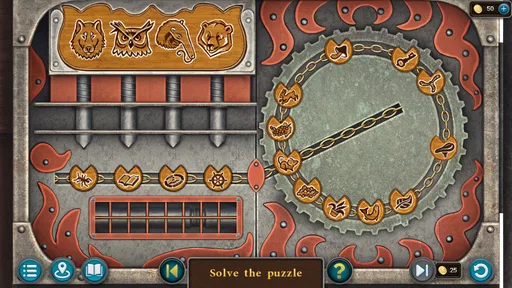
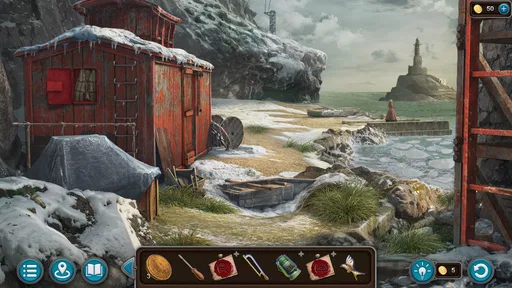
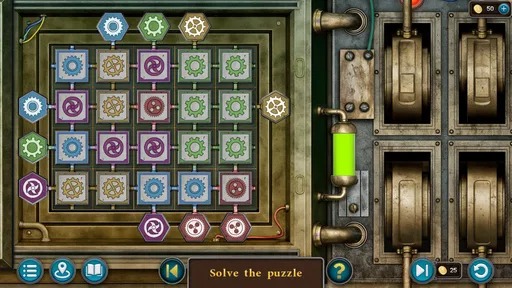
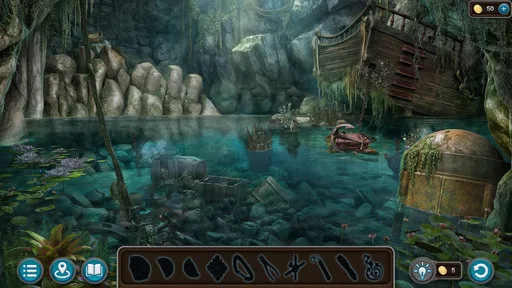
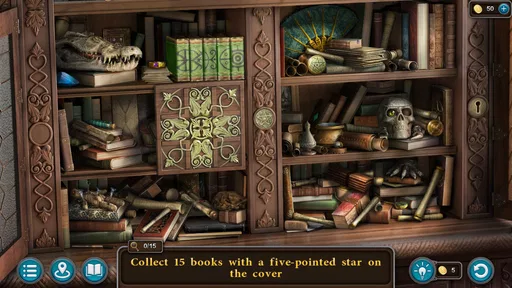
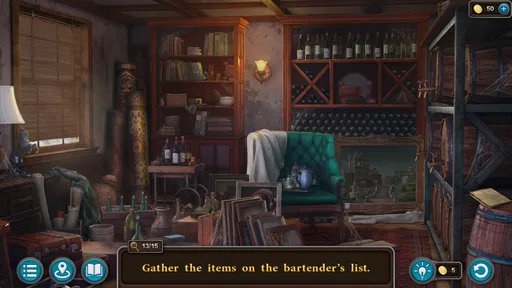
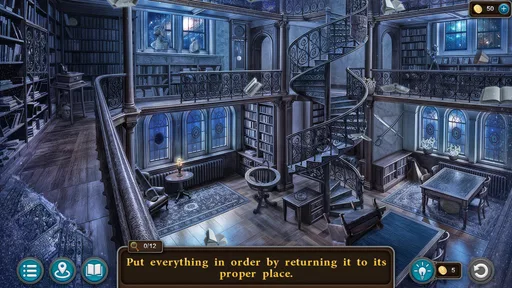
Our Review of Mystery Detective Adventure 2
 Analysis by Appyee
I approached Mystery Detective Adventure 2 as the sort of game that can turn a quiet evening into a small investigation shared across a household. It is an adventure game from FIVE-BN GAMES, built around a detective who notices details other people would rather keep hidden. That premise gives it a more deliberate rhythm than an action game: I spent more time observing, connecting clues, and deciding what deserved another look than reacting quickly to enemies or timers.
The game is free to start, which makes it easy to try without asking everyone in the home to commit money first. It carries a Teen content rating, so I would not treat it as an automatic choice for younger children simply because it is presented as a mystery. The current version is 1.3.10033.255.2867, and it runs on devices using Android 7.1 or later. Those details matter when a household has an older phone or tablet that is still being shared.
A mystery that works best when one person investigates and another watches
My favorite way to approach this game was not as background entertainment, but as a focused activity. One person can hold the device and search through the scene while someone else watches for an overlooked object, remembers a clue, or questions an assumption. That shared-use scenario suits the detective theme surprisingly well. The game creates natural pauses where a second person can contribute without needing to master controls.
In a household, this makes it a better fit for a parent and older teenager, siblings who enjoy solving puzzles together, or friends sitting beside one another. It is less suitable when several people want to play simultaneously on one account or pass control constantly. The experience depends on following a chain of discoveries, so frequent interruptions can make the story harder to follow and clues easier to forget.
I found that a simple arrangement works well: one player searches, the other keeps track of suspicious details, and both agree before using a hint or making a major deduction. This avoids the common problem where the person holding the device rushes ahead while everyone else loses the thread. It also gives the less experienced player a useful role instead of leaving them as a passive spectator.
The detective premise supports this kind of cooperation because observation matters more than reflexes. A child who enjoys finding visual details may contribute more than an adult who is better at fast games. At the same time, the Teen rating means adults should use their own judgement about whether the atmosphere and subject matter fit the people watching. I would not hand it to a young child without first considering how comfortable they are with mystery themes.
What to decide before installing it on a shared device
The first practical question is not whether the game looks interesting, but who will use the device and how progress will be handled. On a personal phone, that decision is simple. On a family tablet, it is worth agreeing on a playing order and a rule about whether one person may continue the investigation alone. A mystery loses some of its appeal when another player returns to find that important discoveries have already been made for them.
I also recommend checking the device before starting a long session. The game supports Android 7.1 and later, but compatibility is only one part of the experience. A shared tablet may have limited free space, an older battery, or notifications that interrupt concentration. None of those issues changes the game itself, but they can make a carefully built investigation feel unnecessarily fragmented.
The title is free, yet it includes in-app purchases ranging from $2.99 to $19.99 per item. That is the point where household boundaries become important. I would decide in advance whether purchases are allowed, who can approve them, and whether the person playing should ever be asked to make a decision involving real money. A free download is not the same as a completely cost-free experience.
For a shared device, I prefer a clear rule: play first, discuss any purchase separately, and never treat a stuck moment as a reason to spend immediately. This is especially useful with younger teenagers, who may understand the game perfectly well but still need a firm boundary around optional spending. The most enjoyable part of this title is the investigation itself, so I would protect that experience from turning into a shopping decision.
Account boundaries also matter even when the game is played by only one person at a time. If several household members use the same device, they should know whether they are continuing one investigation or beginning their own. I would avoid casually resetting progress just to let someone else start fresh. When separate play is important, using separate device profiles where available is a sensible household habit, though the game’s own behavior should be checked directly on the device before relying on that arrangement.
How I would coordinate a shared play session
A short session benefits from a little structure. I would begin by agreeing that the person holding the device reads important dialogue aloud and pauses before moving away from a scene. That small habit gives everyone time to notice details and prevents a second player from feeling that the story is being consumed without them.
When the investigation becomes confusing, I would avoid tapping randomly. Instead, I would describe what has already been found, list the objects that still seem relevant, and revisit the location with a specific question in mind. This is one of the most useful ways to play: not as a hunt for anything clickable, but as an attempt to explain why a clue belongs in the case.
Another practical tip is to keep a small paper note nearby during group play. Write down names, unusual statements, and unresolved objects rather than relying on memory. This is particularly helpful when a household session is interrupted for dinner, homework, or a phone call. Returning later with a short clue list is less frustrating than reopening every location without a plan.
I would also rotate roles instead of rotating the device every few seconds. One player can search, another can act as the “case editor” who summarizes the evidence, and a third can challenge assumptions. After a natural stopping point, switch the search role. This keeps the collaboration active while preserving the continuity that a mystery needs.
That approach reveals a trade-off. The game can encourage conversation and careful attention, but it may not satisfy people who want a fast, social party game. Someone who prefers immediate competition, constant movement, or simple one-touch challenges may find the slower investigation too quiet. I see that as a design fit issue rather than a flaw, but it is important when choosing something for a mixed household.
Age, trust, and the tone of the investigation
The Teen content rating should be taken seriously in a shared home. A mystery can involve secrets, suspicion, danger, or emotionally tense situations even when it does not look like a conventional action title. I would preview the opening portion with a younger player nearby if I was unsure about the tone, then decide whether the subject matter feels appropriate for that particular person.
For teenagers, the game can be a good alternative to more aggressive entertainment. It rewards patience, reading, and noticing relationships between details. Still, “less action-focused” does not automatically mean “for all ages.” The detective framing asks players to engage with hidden motives and uncomfortable information, so the right audience is an older child or teenager who is comfortable with suspense and mystery.
Trust also affects how the game should be shared. If one player is much more experienced, they should resist solving every obstacle for everyone else. Giving hints in stages works better: first point toward a location, then suggest a connection, and only give the direct answer when the group agrees. That preserves the satisfaction of discovery and prevents the game from becoming a demonstration by the fastest player.
For parents, I would frame the game as a conversation starter rather than an educational tool. It can encourage a young player to explain evidence and question assumptions, but I would not claim that every puzzle automatically teaches a formal skill. The value comes from how people play together: discussing possibilities, listening to another interpretation, and accepting that the first theory may be wrong.
The Teen rating also makes the game less appropriate for a living-room setting where very young children may wander in and watch without context. If the device is used in a common area, adults should remember that the audience can change during a session. A story that seemed acceptable for a teenager may not be suitable for a younger sibling who joins halfway through.
Where it stands beside other adventure choices
Compared with action-adventure games, this title is a calmer choice. I did not come to it for rapid combat or open-ended movement. Its appeal is the pleasure of examining a situation and gradually understanding what people are hiding. That makes it useful when I want something absorbing but not physically demanding or noisy.
Compared with a traditional puzzle app, it offers more context for the problems. The clues belong to a detective scenario rather than appearing as isolated brainteasers. That extra framing helps a shared group stay interested, because the question is not only “Can we solve this?” but also “What does this reveal about the case?” Players who dislike reading or story interruptions may prefer a pure puzzle game instead.
It also differs from a competitive multiplayer game in an important way: cooperation is optional in practice, but the design is naturally suited to one investigation at a time. There is no reason to expect it to replace a game built for several independent players. If everyone wants their own turn with separate goals, a title designed around multiplayer or multiple profiles would be a better household choice.
The free entry point makes experimentation easy, but the in-app purchase range changes the comparison with fully paid games. A single upfront purchase can sometimes feel simpler for families because the spending decision happens once. Here, I would pay closer attention to purchase boundaries and treat optional items as a separate household decision. The right choice depends on whether flexibility or predictable cost matters more to you.
The game has found a substantial audience, with over one hundred thousand installs and a 4.5 average from around three thousand four hundred ratings. Those figures suggest that the basic mystery format has broad appeal, while the smaller written-review count means I would rely more on my own tolerance for its pacing than on a headline score alone. My experience was strongest when I gave the investigation time instead of expecting instant progress.
Who will enjoy it, and who should skip it
I would recommend it to someone who likes detective stories, hidden details, and solving a case through observation. It is especially appealing to a player who enjoys explaining theories out loud or comparing clues with a friend. A teenager and an adult can share the device comfortably if both are happy to move at the same pace and respect the story’s discoveries.
I would be more cautious for a household with very young children, a strict no-purchase environment, or several people who all want independent progress on one tablet. The Teen rating and optional purchases deserve a conversation before installation. I would also skip it for anyone seeking a quick five-minute action game, a competitive challenge, or a title that can be understood without paying attention to narrative details.
One less obvious use is as a low-pressure evening activity after a busy day. Because the game does not depend on everyone being equally quick, a family member who is tired or less confident with games can still contribute by spotting a small clue. The limitation is that this only works if the group accepts pauses. Players who keep grabbing the device or skipping discussion will reduce the cooperative benefit.
Another useful approach is to treat each session as a case review. Before stopping, summarize the strongest clue, the biggest unanswered question, and the next place to investigate. This makes it easier to resume later and reduces the temptation to use a purchase or hint simply because the group has forgotten its plan. It is a small routine, but it makes the game feel much more manageable on a shared device.
My household verdict
Mystery Detective Adventure 2 is a thoughtful adventure game for households that enjoy solving things together rather than competing for the highest score. I like its potential as a shared investigation: one person can search, another can notice patterns, and everyone can debate what the evidence means. That experience is more distinctive than simply playing another solo game on the couch.
My recommendation comes with clear boundaries. Check that the device meets the Android requirement, agree on who owns the progress, and discuss in-app purchases before anyone begins. Keep the Teen rating in mind, particularly if younger children share the room. Those steps do not take much effort, but they prevent the most common household friction.
The game is not the best choice for every family. It asks for patience, attention, and some respect for the unfolding mystery. It can feel slow beside an action title, and shared play becomes awkward when people interrupt constantly or want separate stories. For the right group, though, that deliberate pace is exactly what makes the game work.
After trying it, I would suggest starting with a short, agreed-upon session rather than promising a whole evening. Let the person most interested in detective stories lead, give everyone a chance to inspect the evidence, and stop at a natural point. If the household enjoys discussing motives and clues, the free starting point is an easy invitation. If the group wants speed, competition, or very young-child-friendly content, I would choose a different adventure instead.
Overall, FIVE-BN GAMES has made a mystery experience that fits best in a calm, attentive setting. I would recommend it to older players and families who can establish simple device and spending boundaries. The best reason to try it is not merely to finish the case, but to see whether your household enjoys thinking like detectives together.
Verdict
Strengths of Mystery Detective Adventure 2
- Clever puzzles reward careful observation and logical thinking.
- Atmospheric locations create an engaging mystery-solving experience.
- Short chapters make it easy to play in quick sessions.
- Multiple clues help keep investigations moving without feeling unfair.
- Suitable for players who enjoy story-driven detective adventures.
Limitations of Mystery Detective Adventure 2
- Some puzzles may feel repetitive after extended play sessions.
- Hints can reduce the challenge for experienced puzzle fans.
- The storyline may take time to become fully engaging.
- Progress can feel slow when searching scenes for one hidden item.
- Certain features may require in-app purchases or watching ads.
Other Releases by FIVE-BN GAMES
View All


Similar Picks in This Category
View All
Roblox
Roblox Corporation4.2

Pokémon GO
Niantic, Inc.3.5

Ninja warrior: legend of adven
TOH Games4.6

Ninja Arashi
Black Panther4.6

Eyes - The Horror Game
Fearless Games sp. j.4.5

Critical Action:Gun Strike Ops
FPS Shooter & Action Game4.3
Frequently Asked Questions
What is Mystery Detective Adventure 2 about?
Mystery Detective Adventure 2 is a story-driven puzzle game in which you investigate suspicious events, search detailed locations, collect clues, and solve challenging cases. You take the role of a detective who must connect evidence, question characters, and uncover hidden motives. The game combines exploration, item-finding scenes, dialogue, and logic-based puzzles in a crime-adventure format.
Is Mystery Detective Adventure 2 free to download and play?
The game can generally be downloaded without an initial purchase, but availability of optional in-app purchases may depend on the platform and version. Some content, hints, energy, premium items, or progression features may be limited unless you watch advertisements or make purchases. Before downloading, check the store listing for the current pricing model, supported devices, and any subscription or payment details.
Does the game require an internet connection?
An internet connection may be needed for the first download, updates, advertising, cloud features, or in-app purchases. Basic investigation and puzzle sections may work offline in some versions, but this is not guaranteed for every device or release. If you plan to play while traveling, open the game once online and verify which chapters and features remain accessible without a connection.
Is Mystery Detective Adventure 2 suitable for children?
The game is aimed at players who enjoy mystery stories and detective investigations, so it may include suspenseful situations, crime-related themes, dark locations, or references to danger. It is not necessarily frightening, but younger children could find some scenes or story topics uncomfortable. Parents should review the age rating, advertising settings, and in-app purchase options before allowing unsupervised play.
What should I know about gameplay before downloading it?
Mystery Detective Adventure 2 is best suited to players who enjoy taking their time with exploration and solving puzzles rather than fast action. Progress may require careful observation, replaying locations, using hints, or completing several connected objectives. If you prefer completely open-ended gameplay or dislike advertisements, item searches, or occasional waiting mechanics, the experience may feel repetitive despite its engaging detective atmosphere.
Play our best games!


